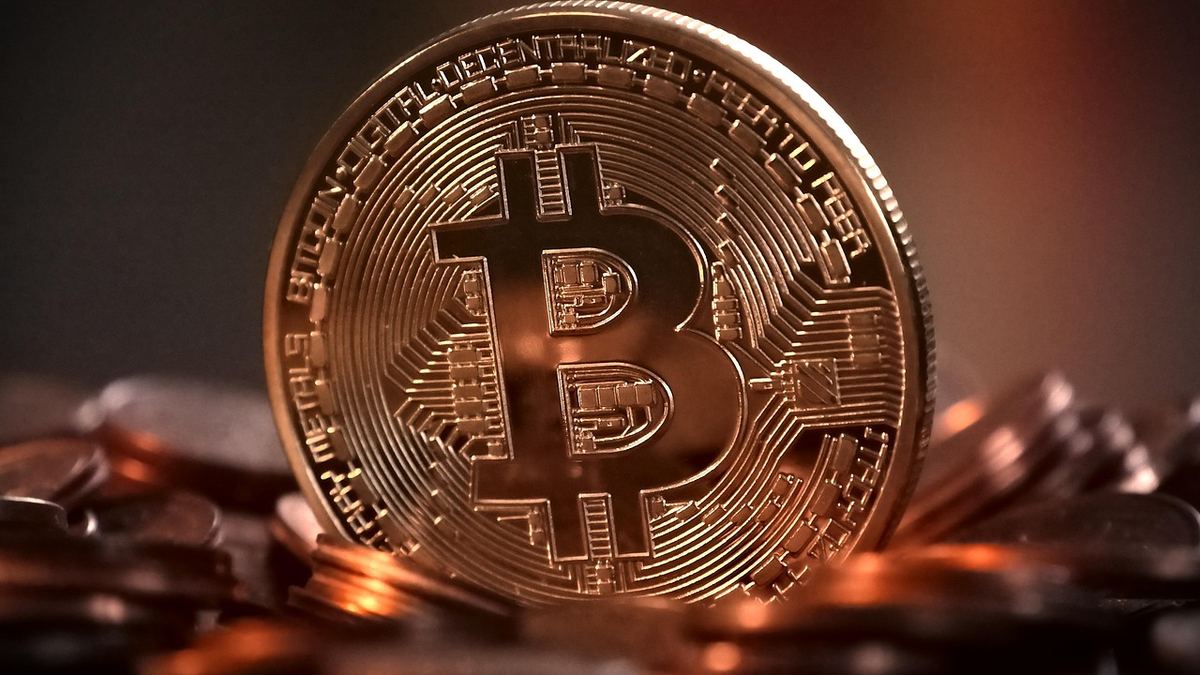
Educational article · Published Oct 25, 2026
Quick answer
- A stablecoin is a digital token designed to stay worth one unit of a currency, usually one US dollar.
- The “peg” holds only if people trust the reserves behind it and can redeem tokens for real money.
- Stablecoins are mostly used as the cash side of crypto trading, with growing use for cross-border payments.
- They are not bank deposits: they are generally not covered by deposit insurance, and some have lost their peg in the past.
Stablecoins went from a niche crypto tool to a topic that lawmakers, banks and payment companies all discuss. Research from J.P. Morgan Private Bank puts the market at around $3 billion in 2019 and over $230 billion by mid-2025, and it has kept evolving since. This guide is a plain-English explanation of how stablecoins work, what they are used for and where the risks sit. It draws on that research for context but is written independently, and it is education only: it does not recommend buying, selling or using any coin.
What a stablecoin is
Most cryptocurrencies swing widely in price. A stablecoin tries to avoid that by promising a fixed value, usually $1. Each token is created (“minted”) when someone deposits money with the issuer, and destroyed (“redeemed”) when someone cashes out. The tokens live on a blockchain, so they can move between digital wallets at any hour of the day, in minutes.
How the peg works
There are three common designs:
- Fiat-backed. The issuer holds cash and short-term government securities such as US Treasury bills against the tokens in circulation. The largest stablecoins, such as USDT and USDC, work this way.
- Crypto-backed. Tokens are backed by other crypto assets locked in smart contracts, usually by more than $1 of collateral per $1 of tokens, because the collateral can fall in price.
- Algorithmic. A computer program tries to keep the price near $1 by expanding or shrinking supply, with little or no hard backing. This design has failed badly: in May 2022 the TerraUSD stablecoin collapsed and wiped out tens of billions of dollars of value.
The key to any peg is confidence. If holders believe they can swap a token for $1 at any time, they have no reason to sell it for less. If that belief weakens, a “run” can start, with everyone trying to redeem at once.
Why the reserves matter: a simple example
Imagine an issuer has put 100 million tokens into circulation but holds reserves worth only $97 million, perhaps because some assets lost value. Each token is effectively backed by 97 cents. Once people suspect it, they race to redeem. The first redeemers receive $1 per token, and later ones may get less or have to wait, which pushes the market price down.
Real stablecoins have wobbled this way. In March 2023, USDC briefly traded around 87 to 88 cents after its issuer disclosed that some of its reserve cash was held at Silicon Valley Bank, which was failing. It recovered once those funds were secured. The effect on a holder is easy to calculate: $10,000 of tokens trading at $0.88 is worth $8,800, a 12% loss, and the price must then rise by about 13.6% to return to $1.
A stablecoin is a promise to be worth a dollar. It is not the same as a dollar in an insured bank account.
What stablecoins are used for
- Trading. Most use today is as the “cash” side of crypto trading: holding value between trades without converting back to regular money each time.
- Cross-border payments and remittances. Moving tokens can be faster and sometimes cheaper than a traditional transfer, though you still pay to convert to and from local currency.
- Business treasury and settlement. Some companies hold stablecoins to pay suppliers abroad outside banking hours.
- A dollar substitute in countries with high inflation, where people want a more stable store of value than their local currency.
An illustrative cost comparison
Say you send $500 abroad. These figures are hypothetical, and real fees vary widely by provider and country:
| Route | Costs | Total cost |
|---|---|---|
| Traditional transfer | 6% all-in fee and exchange margin | $30.00 (6%) |
| Stablecoin route | 1% to buy the tokens, $1 network fee, 1.5% to cash out | $13.50 (2.7%) |
Even when the stablecoin route is cheaper on paper, the sender and receiver both need access to services that convert to and from local money. Those services are where most of the cost, and many of the risks, sit. For more on how conversion costs work, see currency conversion fees.
How issuers make money
An issuer that holds $10 billion of reserves in Treasury bills paying 4% earns about $400 million a year in interest. In the United States, the stablecoin law passed in 2025 (the GENIUS Act) generally does not let issuers pay interest to holders, so that income stays with the issuer. Some platforms offer “rewards” on stablecoin balances. Those arrangements are separate products with their own risks, and they are not the same as interest in a bank account.
What the rules look like in 2026
Regulation has moved quickly. The 2025 US law set a federal framework for payment stablecoins, including reserve requirements (such as cash and short-term Treasuries), regular reserve disclosures and holders’ right to redeem. Its main provisions are due to take effect by January 2027 at the latest, depending on when regulators finalise the detailed rules, so check current details with a regulator. Other places, including Hong Kong, have introduced their own licensing regimes for issuers. Rules differ by country, and a stablecoin that is allowed in one place may be restricted in another.
The main risks
- Reserve risk. Reserves may be smaller, riskier or harder to sell than claimed.
- Depeg risk. Price can fall below $1, as the March 2023 example shows, sometimes for days.
- No deposit insurance. Stablecoin balances are generally not covered by bank deposit protection if something fails.
- Issuer and custody risk. You depend on the issuer, its banks and any platform holding your tokens. Issuers can also freeze tokens linked to suspicious activity.
- Technology and scam risk. Smart contract bugs, lost wallet access and fake “stablecoin” investment schemes.
- Regulatory risk. Rules may change and affect how a coin can be used or sold.
Questions to ask before using any stablecoin
- Who issues it, and where are they regulated?
- What backs each token, and is that shown in regular, independent reports?
- Can I redeem tokens directly for money, and at what cost?
- How did it behave during past market stress?
- What would I lose if the peg broke tomorrow, and could I afford that?
The bigger picture
Researchers note that stablecoin issuers have become significant buyers of short-term US government debt, though still a small share of that market, and that most major stablecoins are pegged to the US dollar. That makes them more a new way of using dollars than a competitor to them. For you as a consumer, the practical takeaway is simpler: understand what backs the token, treat it as a payment tool rather than a savings account, and only hold what you can afford to see lose value. For how losses and recoveries work mathematically, see risk and diversification explained.
Common questions
Is a stablecoin the same as a digital dollar from the government?
No. A central bank digital currency would be issued by a central bank. Most stablecoins are issued by private companies.
Can I earn interest on a stablecoin?
Some platforms advertise returns on stablecoin balances, but those come from lending or other activities that carry risk, and rules limit what issuers themselves can pay. Treat any advertised yield with caution.
Are stablecoins safe?
They are designed to be stable, but safety depends on the reserves, the issuer, the platform and the rules where you live. Some have lost their peg.
Is this financial advice?
No. It explains how the technology and risks work. It is not advice and does not recommend using or avoiding any coin, platform or exchange.
Further reading from official sources
- J.P. Morgan Private Bank: Demystifying Stablecoins (research this guide draws on)
- Investor.gov, US Securities and Exchange Commission
- Consumer Financial Protection Bureau
- IdentityTheft.gov (report scams and fraud)
Related reading
General education, not financial advice. Examples use hypothetical numbers and leave out taxes, fees and personal circumstances. See the disclaimer.